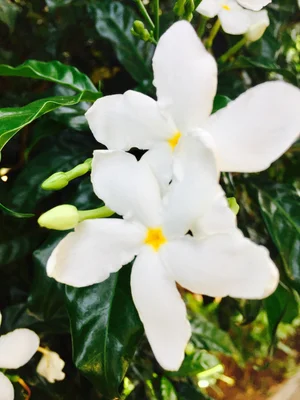
Where Hope Hides
Tara Cyr
After years of working in an ambulance, I quickly learned that hope is often the first thing injured, but often the last, and hardest to revive. I saw people on the worst days of their lives: car wrecks, heart attacks, quiet overdoses behind closed doors, and loneliness. Hope was rarely loud in these instances. It didn’t announce itself. Most of the time, it showed up as a small breath, a squeezed hand, or a decision to keep going for one more minute.
As a clinical social worker, I now see a range of emergencies. Fewer flashing lights, but just as much pain. And one thing hasn’t changed: how easy it is to lose sight of hope in the grind and stress of daily life.
We live in a world that never stops scrolling, and with that comes judgment, or at least the perception of it. Social media gives us highlight reels, perfect relationships, perfect bodies, perfect happiness, while we’re sitting in our own messy, complicated reality. We talk about ‘perfect’ as if it exists, but real life tells a completely different story. I've felt this firsthand. When you’re already tired, stressed, or hurting, those comparisons quietly steal our hope. We start to believe we’re falling behind, failing, or alone, even when none of that is true.
For me, February tends to amplify this feeling, and it's always been a difficult month to work the streets in. This hasn’t changed in my newer role. It’s still cold. The days are still short, always clouded by dusk, it seems. The excitement of the new year has well-worn off, and spring still feels so far away. Many people call it the “saddest month,” and in my past and present work, I often see more heaviness during this time. Add Valentine’s Day into the mix, and that weight can grow so quickly. For those who are single, grieving, divorced, or simply longing for genuine connection, a holiday centred on love can feel like a spotlight on what we may not have or recognize, a reminder that we exist on the outside of a blown-up celebration.
But here’s what both careers taught me: hope doesn’t disappear; it gets buried, but I know it can be restored.
Hope is not the absence of pain or sadness. In my head, I see it as a belief that the pain we endure isn’t the end of our story. Sometimes hope looks like getting out of bed when you don’t want to. Sometimes it’s logging off social media for a night. Sometimes it’s asking for help, even when you’ve always been the “strong one”. It doesn’t require certainty, but instead, it exists in all the small, ordinary moments we have.
In emergency medicine, we worked minute-to-minute. In mental health, we often work step by step. Both require patience, compassion, and the reminder that healing is rarely instant. Hope grows the same way, slowly, quietly, often unnoticed until you look back and realize you’re standing somewhere you didn’t think you’d ever reach.
As February approaches, I encourage you to be gentle with yourself. Measure your life by your values, not by someone else’s filtered image. Reach out if you’re feeling isolated. And remember: hope doesn’t need to be dramatic. Sometimes, it just needs permission to exist.
And if you’re reading this feeling unseen, unheard, or invisible, hope is still here. So are you. And that matters more than you know.